Which Optical Wavelengths are Typically Supported by Different Transceivers
What Optical Wavelengths Mean in Real Networks In practice, optical wavelengths are one of those details that can look minor on a spec sheet but end up shaping the entire
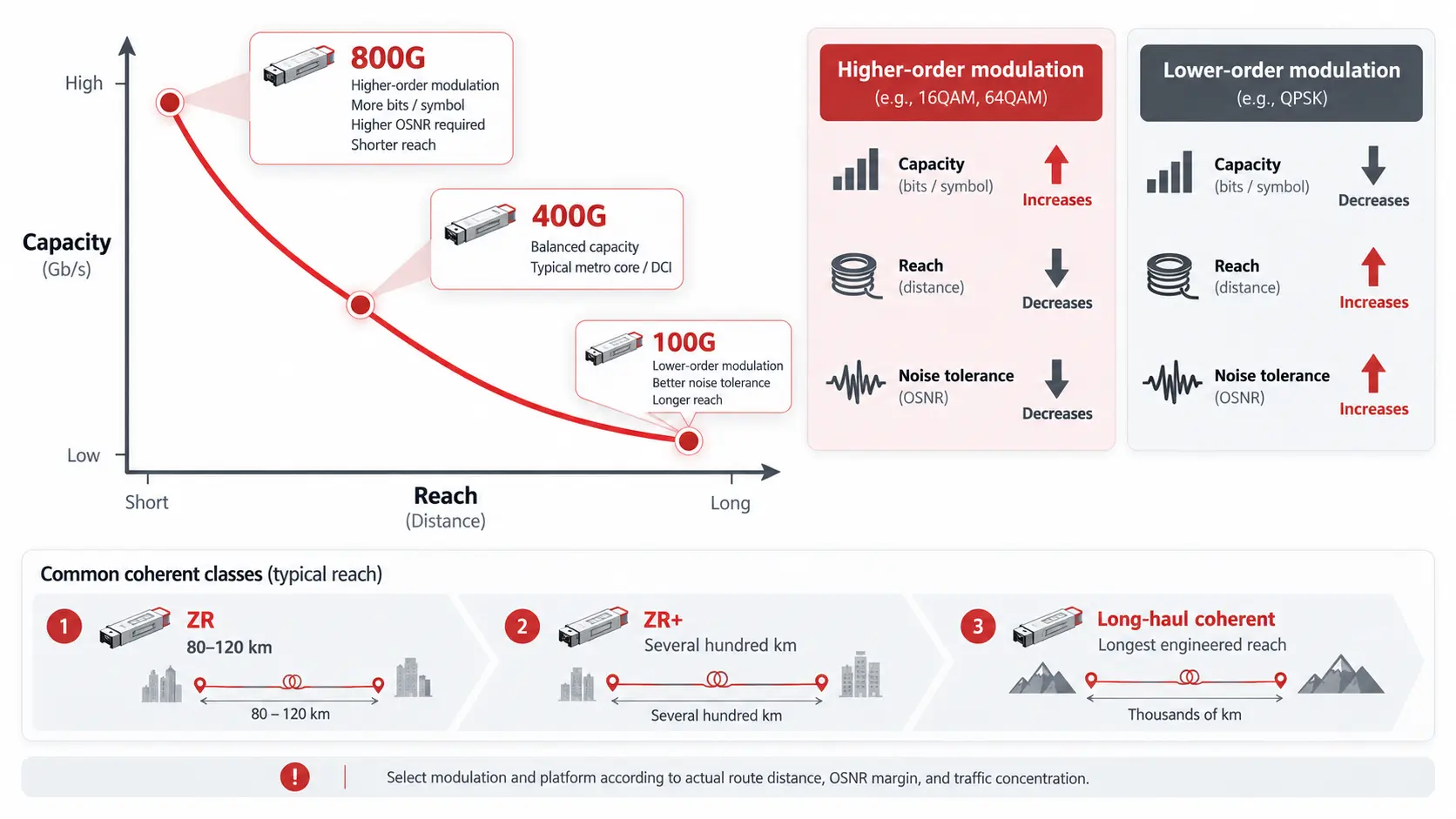
An 800G optical transceiver is a high-speed optical module that converts electrical signals into optical signals for transmission over fiber optic cables — and back again — at a rate of up to 800 gigabits per second.

Designed for next-generation data centers, 800G optical transceivers enable ultra-high-speed data transmission, lower latency.
800G optical transceivers support ultra-high bandwidth transmission, enabling faster data exchange between network devices and meeting the increasing traffic demands of AI workloads, cloud computing, and large-scale data centers.
By providing 800Gbps data rates in compact optical modules, 800G transceivers help data centers achieve higher port density and maximize network capacity while saving rack space.
Advanced optical technologies enable faster signal transmission with reduced latency, supporting real-time applications such as AI model training, high-performance computing, and distributed data processing.
800G optical transceivers deliver higher bandwidth with improved energy efficiency, helping operators reduce power consumption and optimize total network operating costs.
800G optical transceivers are widely deployed in next-generation data centers, AI networks, and high-performance computing environments.
From pre-sales verification to long-term operation, our support team stays with you at every stage of your network deployment.
Provide demo environments and POC test support to verify product performance and compatibility.
7×24 hours remote technical support to quickly solve deployment, configuration, installation, and fault problems.
Standard 2-year warranty (flexible adjustment via contract negotiation), covering hardware faults and performance assurance.
World-class customer support team to ensure long-term stable network operation.
An 800G transceiver is a high-speed optical module designed to transmit and receive data at 800Gbps over optical networks. It is mainly used in next-generation data centers, AI networks, cloud computing, and high-performance computing applications requiring ultra-high bandwidth and low latency.
The power consumption of 800G optical transceivers varies depending on the form factor, optical technology, and application requirements. Typical 800G modules are designed for improved energy efficiency, with many solutions operating within approximately 16W–25W to balance high performance and power efficiency.
800G in networking refers to an optical communication technology that supports data transmission rates of up to 800 gigabits per second. It enables higher network capacity and faster connectivity for large-scale data centers, AI clusters, and cloud infrastructure.
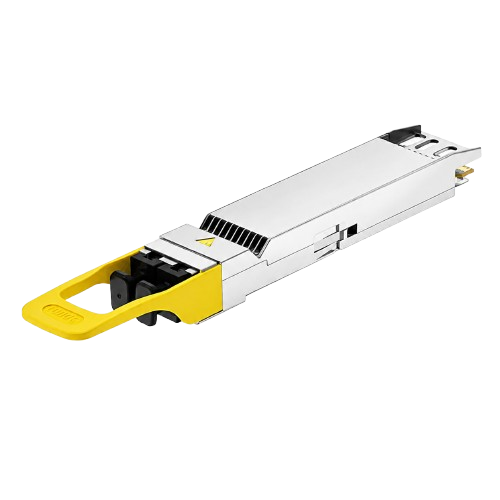
OSFP (Octal Small Form Factor Pluggable) is a high-density pluggable transceiver form factor designed for high-speed optical communication. It is widely used for 800G optical transceivers because it supports high bandwidth, improved thermal management, and future network upgrades.

What Optical Wavelengths Mean in Real Networks In practice, optical wavelengths are one of those details that can look minor on a spec sheet but end up shaping the entire

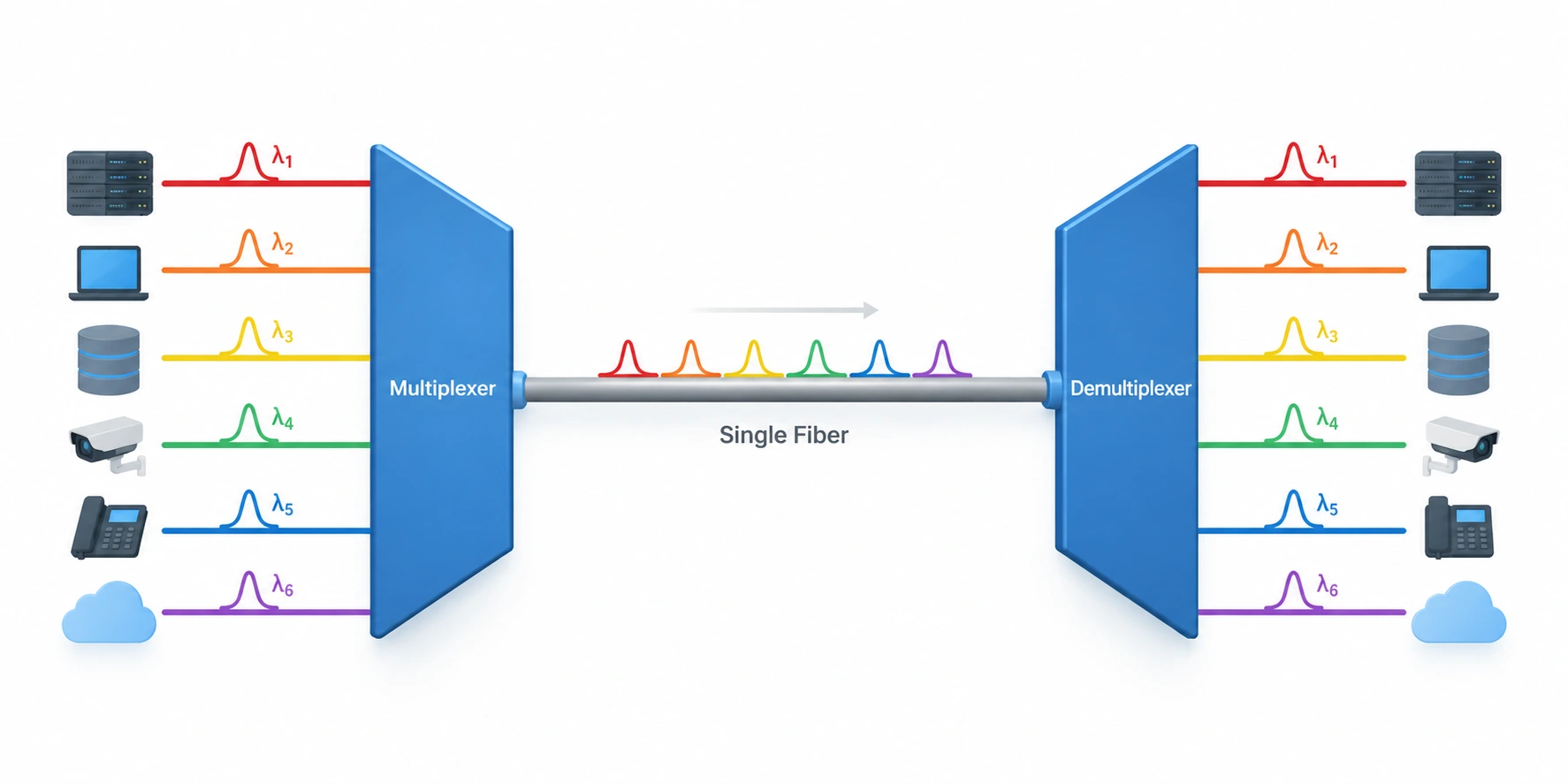
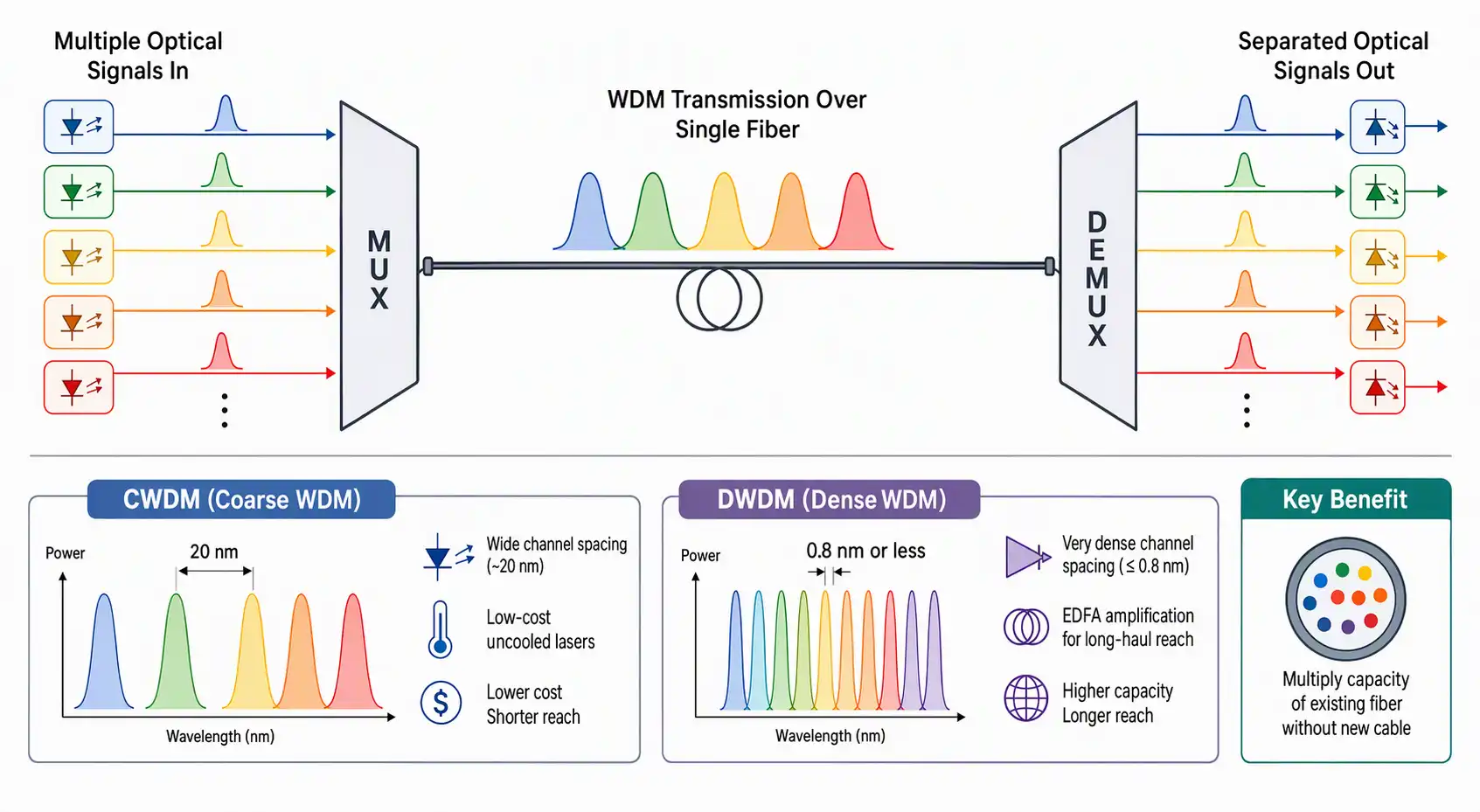
In DWDM networks, the term ROADM comes up often, and for good reason. ROADM, short for Reconfigurable Optical Add-Drop Multiplexer, has become a central building block in flexible optical transport.

Meet Tryin Technology at Booth W47 Artificial intelligence is accelerating the evolution of digital infrastructure. As AI clusters grow larger and network architectures become increasingly complex, the demand for high-capacity, intelligent,
+8618934815799
Building 13, Unit 1, Creative Industry Park, No. 70 Qilidian Road, Qixing District, Guilin City